
The attorney who reads your file is the one who tries it.
Most firms your employer’s lawyers respect have twenty attorneys and a thousand open files. This one takes a limited number of cases, so the person who hears your story first is the person standing up in court. Jonathan Delshad spent the start of his career at Latham & Watkins, on the side that defends companies. He knows the playbook because he ran it.
He was hired to protect companies. Then he started suing them.
Jonathan Delshad graduated at the top of his class at UCLA School of Law and went straight to Latham & Watkins, one of the largest defence firms in the world. He learned exactly how a company builds a file to justify firing someone, because building those files was the job.
He left. Not for a better title, but because the work was on the wrong side of the table. Since then he has represented Los Angeles Metro employees, award-winning television news anchors, and USC staff against the institutions that employed them. Almost every client is an employee. The firm does not represent employers.
Defending the employer
Build the paper trail before the terminationPrice the risk of a lawsuitGet the release signed early and cheapOutlast the employee
Reading the same file from your side
- Spot the file built to justify the decision
- Know what the case is actually worth to them
- Read the severance before you sign it
- Costs advanced, so waiting you out does not work
A verdict is not a settlement. One of these survived review.
Any firm can post a large number. A settlement is negotiated and never tested. A verdict is what a jury awarded. An affirmed verdict is one an appellate court looked at and left standing. Below, every figure is labelled for what it actually is.
Most firms will not tell you this part. Here it is.
You are about to hand your livelihood to a stranger. You should know exactly what the next four steps look like before you dial.
- STEP 01
A person answers
Our office, a live human, not an intake call centre reading a script.
Same day
- STEP 02
Jonathan reads it himself
Your timeline, your emails, your termination letter. Not a paralegal summary.
Always free
- STEP 03
You get a straight answer
Including “you don’t have a case.” Knowing that early is worth the call.
Within 5 business days
- STEP 04
You get his direct line
If he takes the case, he keeps it. Same attorney from the first call to the verdict.
$0 unless you win
Because the caseload is deliberately small, the firm cannot take every matter, and it does not pretend otherwise: not every enquiry receives a response within five business days. What it will never do is take your case and hand it to someone you have never met.
Jonathan Delshad
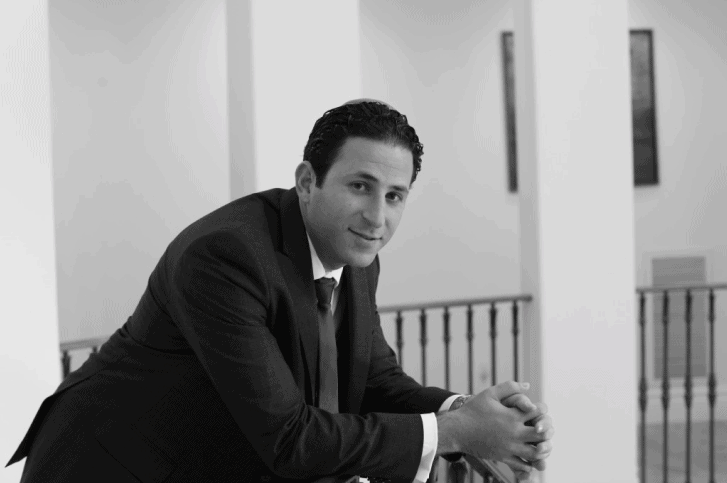
He is the firm. There is no partner tier above him to escalate to and no associate below him to hand your file down to. That is the trade: fewer cases, and the person with the most experience on the matter is the person on the matter.
Assembled, not self-awarded.
None of this was bought or declared. Each one is conferred by someone else: peers, courts, and rating bodies who watch how the work actually goes.




Recognition is evidence that other lawyers respect the work. It is not a prediction about your case. The only way to learn what yours is worth is to have someone read it.
You do not need to know whether it was illegal. That is his job.
Most people who call are not sure they have a case. That is the normal starting point, and it costs nothing to find out. Tell us what happened, in your own words. If the firm takes it, you pay nothing unless you win, and California law lets the fees be collected from the employer.
Tell us what happened.